Your Ultimate Guide to Reliable Oilfield Equipment Rental Services
Maneuvering the landscape of oilfield equipment rentals calls for an important understanding of different elements that can influence both functional performance and cost-effectiveness. From determining the appropriate kinds of equipment to evaluating the integrity and dependability of rental companies, making educated choices is essential. In addition, factors to consider around safety requirements and compliance can not be neglected, as they play an essential duty in ensuring both efficiency and legal adherence. As we discover the important components of successful rental experiences, it ends up being apparent that calculated preparation and clear interaction are key-- yet, there are substantial subtleties that require closer evaluation.

Understanding Oilfield Equipment Rentals
Oilfield equipment rentals play an essential duty in the energy industry, giving firms with the necessary tools and equipment to efficiently carry out boring and production procedures. This market is defined by its dynamic nature, where the need for certain equipment can change significantly based on task needs and market conditions.
Leasing equipment allows companies to maintain operational flexibility and cost control, as they can access premium machinery without the problem of possession expenses, maintenance, or storage space. Typically rented equipment includes boring rigs, mud pumps, compressors, and safety equipment, each tailored to satisfy the varied demands of numerous jobs.
In addition, rental solutions frequently feature the advantage of technological support and upkeep, making sure that the equipment remains in excellent working problem throughout the rental period. This support is essential in mitigating dangers connected with equipment failure, which can bring about expensive downtime.
Oilfield equipment rental business generally use an array of options, fitting both short-term and lasting tasks. This flexibility is essential for firms intending to scale procedures or react swiftly to transforming market demands. Overall, comprehending oilfield equipment rentals is basic for enhancing operational effectiveness in the power market.
Trick Factors to Think About
When reviewing oilfield equipment rental services, numerous essential aspects need to be diligently considered to secure optimal results for jobs (Permian Basin HDPE Equipment Rental Specialists). First, assess the array and top quality of equipment readily available. A respectable rental service should supply properly maintained, industry-standard equipment that fulfills details job needs
Next off, review the rental firm's reputation and reliability. Research consumer reviews and endorsements to assess the level of service offered, including prompt shipment and responsiveness to queries. Additionally, take into consideration the business's experience in the sector; experienced suppliers are typically better outfitted to understand and satisfy unique customer needs.
Cost is an additional vital factor. While cost is essential, it needs to not come at the expenditure of quality. Compare quotes from different service providers and identify that all prospective surprise costs are clear.
Kinds Of Oilfield Equipment
A thorough understanding of the different sorts of equipment available for leasing is basic for optimizing oilfield procedures. Oilfield equipment can be classified into a number of vital types, each serving a details purpose in the exploration, removal, and transport of hydrocarbons.
Boring equipment, such as drill rigs, mud pumps, and case tools, is vital for the exploration stage. These devices facilitate the creation of wells and ensure the integrity of wellbore structures. Pipeline Equipment Rental Authority. Conclusion equipment consists of devices like wellheads, packers, and tubes, which are crucial for preparing a well for production
Manufacturing equipment incorporates separators, compressors, and storage space containers, playing an important function in processing and keeping drawn out oil and gas. In addition, transport equipment, consisting of pipes and vessels, is essential for the reliable activity of items to refineries.
Assistance equipment, such as generators, water therapy systems, and safety gear, is also essential for preserving operational effectiveness and security on-site. Comprehending these classifications and their functions helps in selecting the best equipment to satisfy certain functional needs, ultimately boosting productivity and security in oilfield activities.
Examining Rental Firms
Choosing the best rental company for oilfield equipment is crucial to the success of procedures, as it can directly impact performance and prices. When examining prospective rental companies, several vital variables must be thought about. Analyze the business's credibility within the industry. Look for consumer evaluations, testimonials, and case researches that highlight their dependability and service top quality.
Next off, assess the array and problem of equipment provided. A reliable rental firm must offer well-maintained, updated equipment that meets safety and security and functional standards. Validate they have a diverse inventory that can suit varying project needs.
Furthermore, think about the company's support services, consisting of upkeep and technological support. A responsive support team can significantly decrease downtime during operations. Analyze their shipment and pick-up logistics to validate prompt accessibility of equipment.
Assess the rental terms and conditions to confirm they straighten with your operational demands. Clear agreements that outline duties, obligations, and solution expectations are necessary. By carefully assessing these aspects, you can make an educated choice and select a rental business that lines up with your functional goals, ultimately enhancing the success of your oilfield tasks.
Cost Considerations
Expense considerations play a crucial function in the decision-making procedure for oilfield equipment rentals. Firms must thoroughly allocate rentals, ensuring they represent prospective covert charges that can occur. Furthermore, examining the monetary effects of long-lasting versus short-term rentals is necessary for enhancing general expenditure.
Budgeting for Rentals
Effective budgeting for oilfield equipment rentals requires an extensive understanding of both direct and indirect costs associated with the equipment. Direct prices consist of the rental costs for the equipment itself, which might differ based upon the type, model, and duration of the rental period. Additionally, it is necessary to take into consideration transport prices, as relocating equipment to and from the task site can include considerable costs.
Indirect expenses ought to also be factored right into your budget plan. These may include maintenance fees, insurance policy, and any necessary training for personnel operating the equipment. Additionally, reflect on the potential prices connected to equipment downtime, which can occur from delays in rental availability or maintenance issues.
To develop a comprehensive budget, gather thorough quotes from multiple rental provider to compare prices and solutions. Make certain to represent your task's certain requirements, such as the sort of equipment needed and the duration of use. Developing a backup fund can likewise be beneficial, as it permits unanticipated expenses that might develop during the rental period. By meticulously evaluating these aspects, you can develop an effective spending plan that maximizes your investment in oilfield equipment rentals.
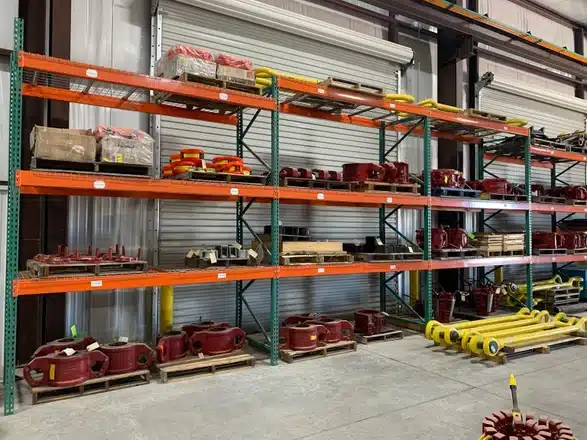
Hidden Costs Awareness
While budgeting for oilfield equipment rentals, it is important to continue to be alert concerning potential covert costs that can significantly influence the overall expense. Many rental companies may not divulge all expenses in advance, bring about unexpected monetary problems.
Common covert charges consist of shipment and pick-up charges, which can differ greatly based on the distance to the job site. Additionally, equipment maintenance charges might be used if the equipment is returned in much less than optimal problem, even if the damage was minimal or unintentional. Insurance policy prices are another aspect to assess; business commonly call for renters to purchase additional coverage, which can inflate the total rental cost.
Moreover, late return fines can gather rapidly, so it is necessary to stick to the agreed-upon rental duration. Finally, inquire about any management fees that might be included in your billing.
To avoid these pitfalls, it is important to thoroughly review the rental agreement and ask for a comprehensive malfunction of all prospective expenses. Midland Pipeline Equipment Rental Authority. Transparent communication with the rental service provider can aid ensure a more clear understanding of the overall economic commitment associated with the rental process
Long-Term vs. Short-Term
When determining between lasting and short-term oilfield equipment rentals, it is crucial to thoroughly review the economic implications related to each option. Short-term rentals commonly satisfy jobs with minimal durations, supplying flexibility and the capability to swiftly adapt to changing functional needs. Nevertheless, the price per day is often greater, which can accumulate markedly in time if the rental period expands past initial forecasts.
In contrast, long-term rentals usually offer a more cost-effective remedy for jobs with extensive timelines. The everyday service prices are usually reduced, and numerous providers might supply additional incentives or discount rates for prolonged dedications. This can result in substantial cost savings, especially for operators expecting consistent equipment usage over months or years.
Additionally, it is essential to aspect in upkeep and prospective wear-and-tear expenses. Long-lasting rentals usually consist of upkeep plans, whereas short-term rentals may need the lessee to bear these prices independently. Inevitably, the selection in between long-lasting and short-term rentals ought to align with job needs, spending plan constraints, and future operational plans, making certain that funds are used effectively.
Safety And Security and Compliance Criteria
Security and compliance standards are crucial components in the oilfield equipment rental sector, ensuring that procedures satisfy governing demands and market criteria. This discussion will concentrate on the essential regulatory frameworks, the implementation of equipment safety methods, and the relevance of accreditation and training standards for employees. Sticking to these guidelines not only safeguards workers but additionally boosts operational performance and minimizes dangers.
Regulatory Demands Overview
Compliance with regulative demands is essential for guaranteeing the security and integrity of oilfield equipment rental solutions - Midland Pipeline Equipment Rental Authority. Different guidelines regulate the procedure and upkeep of equipment made use of in the oil and gas industry, including those set forth by the Occupational Security and Health And Wellness Administration (OSHA), the Epa (EPA), and state-specific regulatory bodies
These policies mandate that rental companies comply with stringent safety standards, guaranteeing that equipment is frequently evaluated, kept, and licensed for usage. Firms must also abide by ecological policies that deal with waste monitoring, discharges, and spill avoidance, therefore minimizing their ecological footprint.
Drivers need to ensure that all workers involved in the equipment handling are properly trained and familiar with safety methods and emergency situation treatments. Documents of conformity is vital; maintaining accurate records can protect companies from legal liabilities and enhance their credibility within the market.
Equipment Safety And Security Protocols
Making sure the correct execution of equipment safety and security methods is essential for maintaining operational integrity in oilfield equipment rental services. These protocols serve as a detailed structure developed to reduce threats related to equipment use, thereby advertising a secure work atmosphere for personnel and optimizing equipment lifespan.

It is imperative to develop clear security standards that stick to market standards and regional regulations. This consists of regular examinations and maintenance of rental equipment to determine possible threats before they bring about accidents. In addition, using suitable individual safety equipment (PPE) must be mandated for all workers associated with equipment operation and handling.
Moreover, it is important to apply strict procedures for equipment transport, configuration, and procedure. This incorporates appropriate lots securing during transport, careful setup practices, and adherence to functional restrictions specified by makers.
Recording all safety procedures and guaranteeing they are quickly accessible to all customers promotes a culture of safety awareness. Normal security audits and comments loops can help fine-tune these protocols, guaranteeing constant improvement and compliance with evolving safety criteria. By focusing on equipment safety and security procedures, oilfield equipment rental services can meaningfully reduce the chance of occurrences and promote a safer functional landscape.
Accreditation and Training Criteria
Certification and training requirements play an essential role in the oilfield equipment rental solutions market, establishing a structure for risk-free and efficient procedures. These requirements assure that personnel are outfitted with the required skills and knowledge to operate intricate machinery and stick to safety procedures. Firms should abide with both local and worldwide laws, such as those stated by the Occupational Security and Wellness Administration (OSHA) and the American Oil Institute (API)
Training programs ought to incorporate a detailed curriculum that consists of equipment procedure, emergency action treatments, and risk acknowledgment. Regular evaluations and accreditations not just verify the expertise of the workforce yet likewise boost the total safety culture within the industry.
Business that focus on qualification and training criteria foster count on with clients, as they show a dedication to safety and compliance. This is especially crucial in high-risk atmospheres like oilfields, where the effects of negligence can be devastating.
Eventually, sticking to strenuous qualification and training standards is not just a regulative demand; it is an important investment in the sustainability and credibility of oilfield equipment rental solutions, assuring that operations are more info conducted properly and successfully.
Tips for a Successful Rental Experience
Navigating the world of oilfield equipment rental solutions can be intimidating, however with the right method, you can assure a smooth and effective experience. Begin by plainly defining your task demands, consisting of the kind of equipment needed, the duration of the rental, and any kind of particular functions crucial for your procedures. This clearness will help with reliable interaction with rental providers.
Next off, perform complete research study on prospective rental business. Seek market credibility, client evaluations, and their conformity with security and certification standards. A dependable rental solution will certainly not only supply high quality equipment yet likewise supply support and guidance throughout the rental duration.
Before completing the rental arrangement, confirm you completely recognize the terms, including maintenance responsibilities, insurance coverage, and any kind of potential surprise fees. An appropriate inspection of the equipment before acceptance is necessary; verify that it is in good working problem and fulfills safety guidelines.
Lastly, preserve open interaction with the rental solution while using the equipment. Without delay address any type of problems or issues that occur, verifying you optimize your rental experience while reducing functional disruptions. By following these suggestions, you can browse the rental process with confidence and effectiveness.
Often Asked Concerns
What Are the Regular Rental Durations for Oilfield Equipment?
Regular rental periods for oilfield equipment can vary substantially based upon project demands and equipment kind. Generally, rental contracts range from temporary rentals, lasting a couple of days to a number of weeks, to long-lasting rentals, which can expand from numerous months to even years. The period is usually influenced by factors such as project extent, budget plan constraints, and equipment schedule, making it essential for drivers to analyze their demands carefully before finalizing rental contracts.
Can I Lease Equipment for Short-Term Projects?
Yes, it is undoubtedly possible to lease equipment for short-term projects in the oilfield sector. Many rental firms supply adaptable leasing choices that provide to varying job durations, including everyday, weekly, or monthly rentals. This flexibility allows operators to access the required equipment without the problem of long-term dedications, ensuring that they can adjust to certain job demands efficiently and cost-effectively. Constantly validate the rental terms and accessibility with the copyright to satisfy project timelines.
Just How Is Equipment Maintenance Handled Throughout Rentals?
Equipment maintenance throughout rentals is commonly the obligation of the rental company. Reliable companies ensure that all equipment is routinely serviced and evaluated prior to rental to maintain peak performance and safety requirements. In the event of any kind of malfunctions during the rental duration, the service provider often supplies assistance and replacement solutions to lessen downtime. Clients must examine maintenance plans and treatments detailed in the rental agreement to fully recognize their duties and the firm's commitments.
Exist Extra Fees for Delivery and Pick-Up?
When leasing equipment, additional fees for shipment and pick-up are generally run into. These costs vary depending on variables such as distance, equipment dimension, and rental period. It is important to clarify these costs with the rental supplier ahead of time to avoid unexpected fees. Some business may provide comprehensive rates that covers distribution and pick-up, while others might bill independently, making it essential for clients to evaluate the rental contract completely for openness.
What Takes Place if Equipment Breaks Down Throughout the Rental?
In case of equipment failure throughout the rental duration, the obligation normally falls on the rental company, depending on the terms of the contract. A lot of rental agreements consist of stipulations that lay out treatments for reporting issues, repair work timelines, and liability. It is recommended to immediately alert the rental copyright to help with timely fixings or equipment replacements, making certain minimal interruption to operations. Pipeline Equipment Rental Authority. Comprehending these terms ahead of time is necessary for reliable management of rental equipment
Comments on “Pipeline Equipment Rental Authority: A comprehensive guide for operators”